
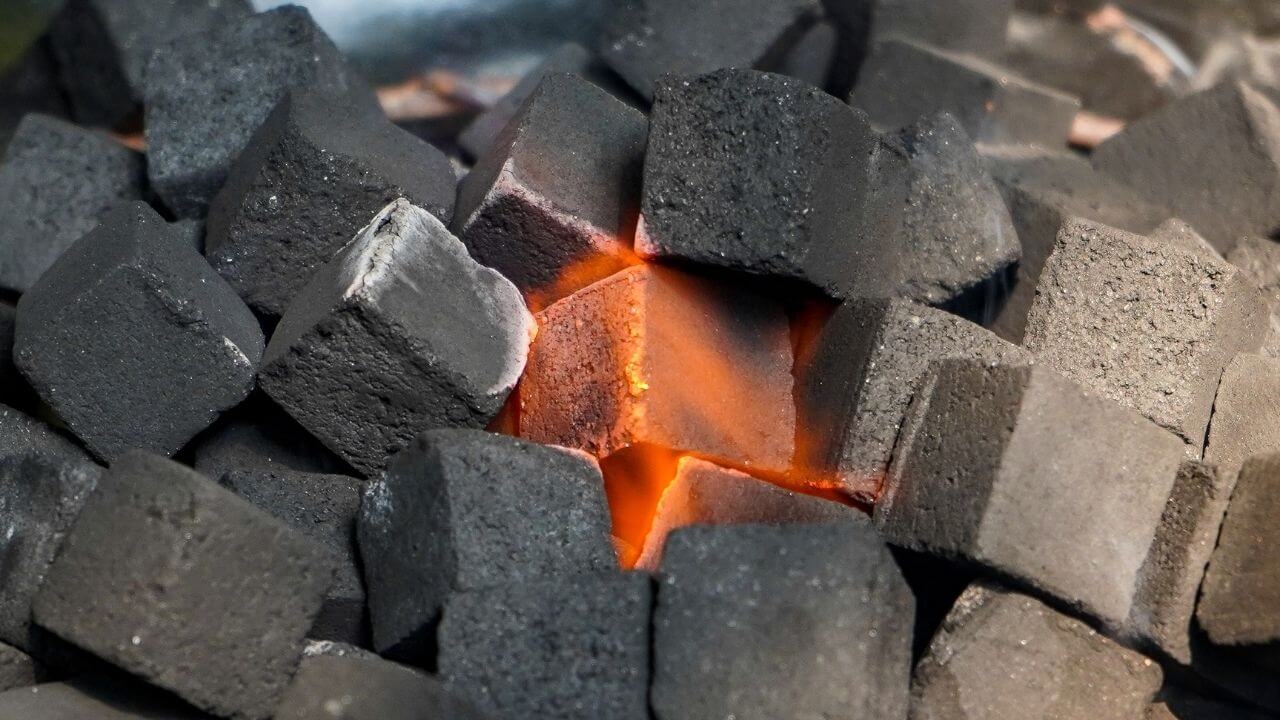
Sustainable charcoal production methods, particularly within the Green Charcoal Briquette Industry are becoming central to the rise of cleaner, more sustainable alternatives to traditional fossil fuels. As global awareness of climate change and environmental degradation grows, the demand for eco-friendly energy sources like green charcoal continues to increase.
Developing this industry requires strategic planning, innovation, and cross-sector collaboration. visit Varese Magazine’s article on sustainable charcoal production methods.
Understanding the Green Charcoal
Green charcoal briquettes are made from organic waste such as agricultural residues, coconut shells, and sawdust. Organic waste with high energy content is often neglected or not fully utilized. Through carbonization and compression, they become compact, high-efficiency fuel sources.
Green briquettes burn with reduced emissions, making them more environmentally friendly than coal or regular charcoal. This eco-friendly nature makes green briquettes a popular option for households, restaurants and even industries. They offer cleaner combustion, reduce indoor air pollution and help lower greenhouse gas emissions.
Key Development Strategies
To grow and sustain the green charcoal briquette industry, several key strategies must be applied. These include improvements in supply chains, technology, training, market access and policy support.
1. Strengthening Raw Material Supply Chains
A steady supply of agricultural and biomass waste is vital for industry sustainability. Building partnerships with farmers, wood industries and waste management services helps ensure raw material availability.
Community-based collection systems can also reduce waste and improve input quality. This practice boosts production efficiency while maximizing resource utilization.
2. Technology and Innovation
Modern technology plays a critical role in enhancing briquette quality and reducing emissions. Innovations like smokeless kilns, automated presses and moisture control systems support sustainable scale-up.
Producers can also adopt digital tools and data systems. These help ensure quality standards and simplify access to export markets.
3. Capacity Building and Training
Training local communities and entrepreneurs improves production knowledge and operational skills. It also supports the growth of small-scale businesses in rural areas.
These programs build technical skills and environmental awareness. They help develop a workforce that understands safety, sustainability and circular economy practices.
4. Market Expansion and Branding
A powerful brand builds trust and extends the reach of green charcoal briquette products. Eco-friendly briquettes should be marketed through online platforms, retail stores and export channels.
Clear messaging around clean burning, affordability and sustainability helps attract both individual and commercial users. Good branding builds long-term customer loyalty.
5. Policy Support and Incentives
Governments can boost the industry through tax incentives, grants and carbon credits. Policies that support clean energy adoption and restrict deforestation are also vital.
Partnerships with NGOs and private investors can provide funding and technical support. It lays the groundwork for continuous and sustainable growth in the green charcoal briquette industry.
Conclusion
The green charcoal briquette industry has strong potential to support clean energy and rural development. It offers an alternative to fossil fuels while reducing environmental harm. By improving raw material use, investing in technology, training people, expanding markets and encouraging policy support the industry can thrive.
It can help cut carbon emissions and promote circular economy practices in both urban and rural areas. With proper coordination and investment, green briquettes could become a key part of a more sustainable energy future.